

To Till Or Not To Till
So what is no-till gardening? No-till is a method of growing that is focused on soil conservation where rototilling and mixing of the soil is not used. We had Kim Ross out for our June Speaker Series to present on this topic and wanted to follow up with more info on this interesting topic and how it can apply to home gardens.
Kim Ross, No Till Gardening Expert
A fifth generation vegetable grower in Alberta, Kim has been following no-till gardening since 2001.
Kim’s adopted method was also studied independently by The University of Saskatchewan College of Agriculture and Bioresource. They suggest a no-till garden is the way to go, as it improves the soil and reduces the number of weeds that emerge.
Kim’s recommendation:
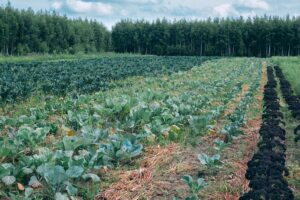
Kim uses six inches of mulch such as straw, wood chips, leaves and grass clippings to suppress the growth of weeds. Once the mulch is in place, she pulls back the mulch to create space to plant seedling and transplants. The mulch prevents weeds from growing since sunlight cannot reach the soil. If the weeds pop up beside the plants, the plants have a head start and can outcompete the weeds. She also mentioned that perennial weeds tend to either be smothered or root very poorly in the deep mulch and can be easily pulled.
No-Till is Great for Soil Health
Gardeners are often worried about soil health and the impact of aggressive soil cultivation methods.Tilling makes the soil soft and easy to plant but actually damages the structure of the soil and makes it more likely to compact again. Tilling also mixes up the layer of the soil and damages the fungal and microbial life in it. This can take years to repair after tilling has stopped.
Soil Compaction Tip: Sometimes compaction can happen in no-till systems or we may need to have deeper tilth for things like potatoes or carrots. A garden fork or broad fork can be used to break up the compaction without mixing the layers of the soil. This helps protect the soil health and works well in no-till systems when needed.
Fewer 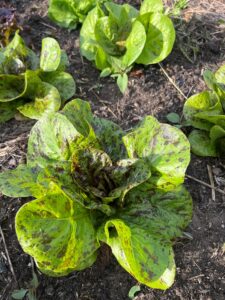 Weeds
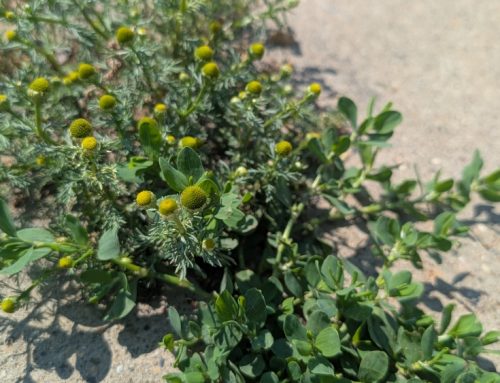
Weeds
One major challenge gardeners face when growing plants for food is weeds. One of the main reasons we till is for weed control. Tilling is fast, efficient, and easy to do but it can actually be part of the problem when it comes to weeds.
When soil is turned, weed seeds in the lower layers are brought to the surface, where they can germinate. Aerating the soil through tilling can also trigger many species of weed seeds, that would have otherwise stayed dormant, to germinate. Increasing numbers of weeds often lead to more tillage and even the use of herbicides, which in turn is harmful to the soil life and greater ecosystem.
 Mulch is Key
Mulching is a gardener’s best friend. It’s essential for the no-till system. Woodchips, organic straw, rotted hay, or weed free compost are all great options for mulch. The benefits of mulching are many, including the prevention of weed growth, water conservation, regulating soil temperature, soil/plant nutrition, and preventing erosion.
Sourcing mulch is easy these days with access at our local Eco stations (be sure to phone ahead) and through www.getchipdrop.com. If you need a lot of woodchips you can also contact arborists directly to see if they are actively working in your area.
Water Conservation
No-till allows for more organic matter to build up and also for soil life to form aggregates and release compounds that hold more water. This helps to keep the soil moist through the dry periods. If you are using mulch, this also helps with water efficiency. As an added bonus, the mulch also breaks down to provide nutrition that the plant can uptake and add even more organic matter to the soil. Water soil well before adding the mulch. The mulch will lock in the moisture. Kim mentioned that she doesn’t have to bring in any nutrition for her garden other than more mulch in the form of woodchips.
Pros and Cons of Till verses No-Till
Advantages of Till gardens
- Reduces pest as the soil is turned and pests are exposed to extreme temperatures, predators, and the elements
- Can quickly relieve soil compaction depending on the soil type
Disadvantages of Till gardens
- Increases weed germination in soil
- Can lead to soil structure breakdown and to soil compaction
- Less water infiltration
- High costs of equipment and its maintenance
Advantages of No-Till gardens
- Conserves soil
- Retains moisture
- Helps in absorption of nutrients due to the presence of mycorrhiza and microbes
- Increase crop yield
- Increased biodiversity
- Reduced greenhouse gases
- Improves soil organic matter
- Reduces labour and cost
Disadvantages of No-Till gardens
- Pests could be a problem especially slugs
- Too much moisture can reduce plant vigor like the monsoons we are having this year
- Mulch or weed free compost needed for annual weed control
- Crop residue can be trickier to manage without machinery
- Direct Seeding through mulch takes some extra work
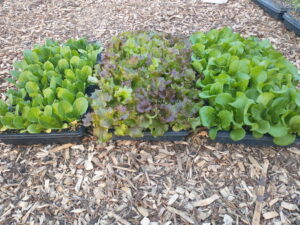
We at the Edmonton Horticultural Society like to consider no-till gardening an excellent way to build healthy soil and grow healthy plants. While there can be a transition period during which diligent perennial weed management is needed, these systems are very sustainable in the long term. Whether your gardening is 2 sq m or 2000, give the no-till method a try and see for yourself.
Additional Reading
- Kim Ross website for more info on No-Till Gardening and advice (email rossdalefarm@gmail.com) or follow her on Instagram @rossdalefarm and Facebook
- U of Saskatchewan Garden Website Link