
Fall Garden Wrap-Up for the Bugs and Birds
A favourite sound for many Edmontonians around fruit trees from Autumn to Spring is the sound of Bohemian waxwings who titter and tatter on the treetops as they gingerly pick off the crabapples and cherries from the heavy branches.
Birds like waxwings who can rely on diverse diets that incorporate both insects and fruit have the greatest chances of surviving in a heavily urbanized and developed area, but what about the birds that have specialized diets.
One study published by the National Academy of Sciences looked at a long standing study monitoring the population patterns of Tree Swallows in Canada over 55 years. Tree swallows are known as aerial insectivores meaning their main source of food is catching bugs from the sky. This study found that their populations have declined by 47% since the 1970s.
Of all the different kinds of birds, aerial insectivores; birds that feed on flying insects have had the steepest population declines. Data showing researchers that their numbers have dropped by an average of 60% since 1970. The many pressures of increased human development threaten many birds’ access to habitat and creates barriers for birds during migration, but the impact of development on the insect population is one of the main drivers for the population loss of insectivore bird species across Canada. So, what can we do in our own yards to support building food and habitat for bugs so we can feed the birds?
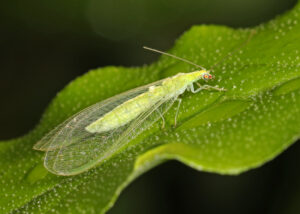
First – let’s get you inspired. This is a Lacewing, a member from the family Chrysopidae of the order Neuroptera. This insect is completely harmless, is a beautiful green colour with golden eyes. Insects like these are an amazing treat for aerial insectivores like tree swallows and nightjars.
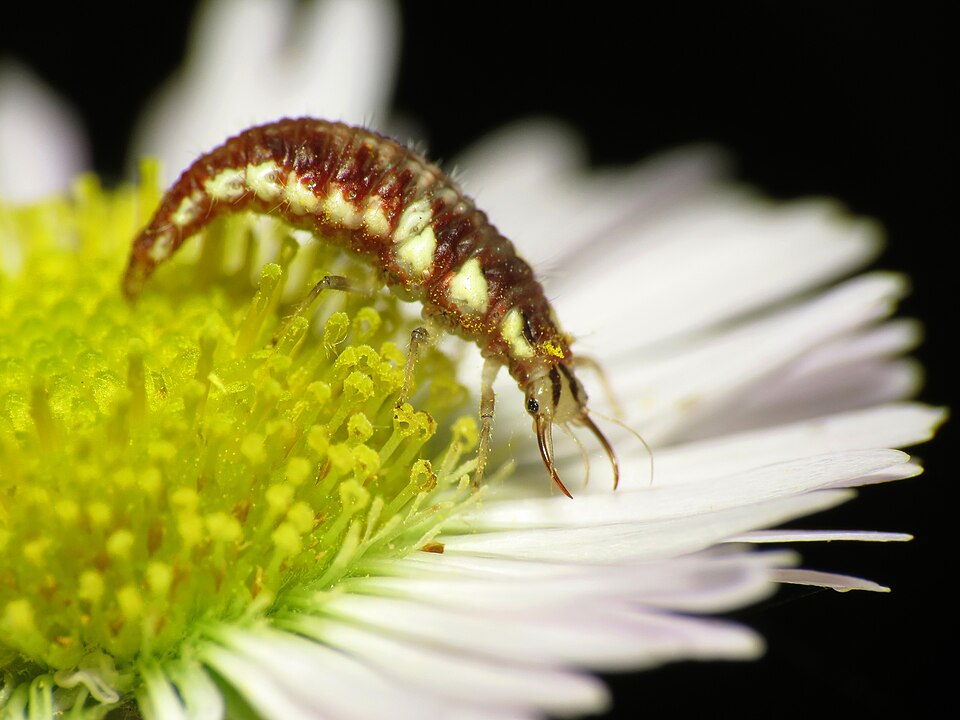
For many insects to gain enough protein to become a beautiful fly or beetle, they sometimes have to eat other insects. Which is why lacewings will look like this in their larval form.
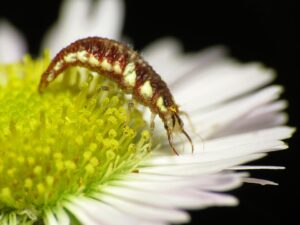
Don’t be scared! They won’t eat you, nor are you worth the effort because they are less than 1 centimeter in length. Supporting the survival of larvae like these to reach maturity will help bird species that need these kinds of insects to be airborne to have the ability to feed on them.
Do Insects Hibernate?
Insects do not hibernate in the traditional sense we are familiar with. Instead they enter into a state of dormancy where their metabolism slows down to a crawl so they can conserve resources to survive throughout winter. Species like the lacewing are most successful in surviving the winter when they can find overwintering habitat that keeps them sheltered. In Canada, typically the lacewings will make a silken cocoon and overwinter during their pupa stage so they are ready to emerge in the spring as mature adults. In this article we’ll explore a few easy methods for supporting avian insects like lacewings whose lives will in turn feed the birds.
Leave the Leaves
Multiple campaigns across Edmonton from Waste Free Edmonton, to global campaigns like Leave your Leaves exist, urging neighbors across the city to leave their leaves, but what does that actually mean? Leaves can help create overwintering habitat for many insects but if there are too many leaves in your garden then it can also suffocate and kill those insects and your perennials.
The general rule is that you want there to be enough leaves so the ground is covered, but not so many that it’s difficult to push away the leaves to see the ground. The soil should be able to breathe under the leaves.
Fibre Piles
If you prefer to cut down plants to tidy up your garden, you can still help the wildlife by keeping the material in your garden. Instead of composting it all in the city’s green bins, you can create overwintering habitat by making fibre piles in your garden. These piles can be alongside fences or out in the open, and you can make these piles as big or small as you would like. You can keep them for just the fall/winter, and then clean up in the late spring. These piles can also include leaves and the plant stems and other plant fibres that have been chopped into smaller pieces and left in piles. This built up material is the perfect shelter for insects to overwinter in.
Note: It is important to remove diseased plants and to not include them in your mulch or your fibre pile.
Hedgerows
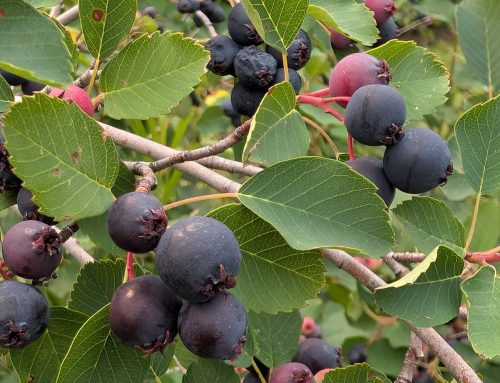
As you walk through the neighbourhoods of Edmonton you may see birds hanging out in the foliage of hedgerows often looking for bugs, berries, or just a safe place to hang out for a while. These hedgerows can also provide perfect undisturbed habitat for insects to hide their cocoons within, or their eggs. Many native species of insects overwinter in their pupa stage so any kind of habitat to shield them from the cold weather is helpful!
Flowers & Bird Seed
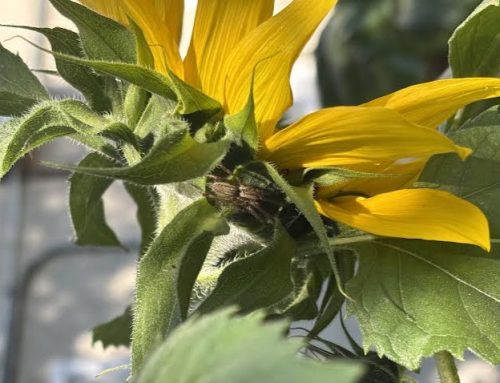
Many birds also live off of seeds from different large seeded flowers in the Asteracea family, this includes cone flowers (echinacia), heliopsis, sunflowers and meadow blazing star. Instead of cleaning up and removing these plants from your garden in fall, we recommend you keep them standing so insects can overwinter within the plant, and so birds can have some readily available perches they can eat seeds from.
Keep an eye open for upcoming articles coming this spring on which members of the Asteracea family you should consider planting into your garden to best support local birds in the harshest months of the winter. If you want to learn more about beneficial insects and pollinators, check out the previous Garden Guide article “Beneficial Insects: Thinking beyond bees”.
Photo credits
“Green Lacewing, C. F. Phelps Wildlife Management Area, Sumerduck, Virginia” by Judy Gallagher is licensed under CC BY 2.0.
“Green Lacewing Larva “ by Katja Schulz is licensed under CC BY 2.0