

Book Review: Heroines of Horticulture
Reviewed by Brett Kerley
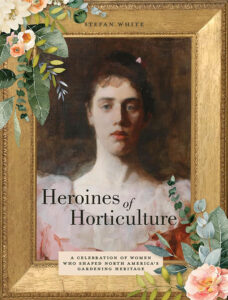 White, Stefan. Heroines of Horticulture: A Celebration of Women Who Shaped North America’s Gardening Heritage. Schiffer Publishing, Ltd. 2024 ISBN-13: 978-0764365492 (Hardcover) Pages: 320
I love my gardening books and I love my history books. Stefan White’s Heroines of Horticulture is a lovingly curated collection of 100 profiles, each celebrating a woman who left a meaningful mark on North America’s horticultural landscape. From plant collectors and botanists in the 1700s to influential garden writers and designers in the mid-20th century, White highlights a tremendous range of contributions: plant exploration, seed sharing, garden writing, landscape architecture, education and activism. The book reads as both a source of inspiration and a reference, offering garden lovers a window into the lives of the pioneers who laid the groundwork for today’s gardening traditions. In fact my daughter has used some references from the book for her school homework.
Content and Structure
Presenting each heroine in a concise one-to-two-page profile, readers can dip in and out of history at will. Each entry typically includes a portrait or illustration, a biographical sketch, notable achievements, and an anecdote or two that makes each woman feel human and relatable. While the profiles are brief by design, White’s approach gives breadth and accessibility to the subject matter. The format makes the book suitable for browsing as a coffee-table book, consulting as a research primer, or using it as a discussion starter in a garden club setting.
Highlights
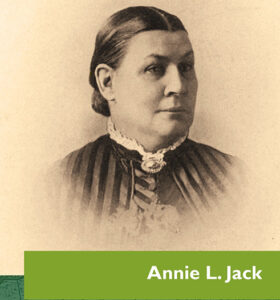 Members of the Edmonton Horticultural Society may be delighted to discover entries like Annie Linda Jack (1839–1912), recognized as one of Canada’s earliest professional female garden writers. Such regional inclusions add personal resonance for a Canadian readership, bridging the broader North American context with stories that feel closer to home. White also profiles many U.S. figures whose work influenced gardening culture throughout the continent.
Style and Tone
White writes with enthusiasm and clarity, avoiding overly academic language while maintaining historical accuracy. The tone is celebratory and respectful — emphasizing perseverance despite societal barriers and highlighting how many of these women operated outside traditional horticultural institutions. The collection’s inspirational tone makes it particularly suited for audiences who appreciate both gardening and women’s history.
Strengths and Limitations
Strengths:
- Wide coverage of historical periods and geographic regions across North America.
- Engaging structure for casual and serious readers alike.
- Regional relevance, particularly through profiles of less famous figures.
Limitations:
- By necessity, profile entries remain brief and cannot provide deep scholarly analysis.
- Selection reflects the author’s curatorial choices, meaning some readers may want a more diverse geographical or chronological spread.
About the Author
Stefan White spent 45 years as an entrepreneur in the giftware industry before turning his full attention to his passions for horticulture and historical storytelling. Originally from the UK, White moved to the United States to study business administration and traveled extensively across North America. His love for the region’s landscapes and people infuses his writing. He has given numerous talks for horticultural societies and is a member of the Royal Historical Society. His work focuses primarily on celebrating women’s contributions to history, particularly in gardening and landscape development.
Conclusion
Heroines of Horticulture is an engaging journey through centuries of horticultural history, spotlighting women whose ideas, creativity and tenacity helped shape North America’s gardens. It is ideal for garden club discussions, a gift for gardening friends, or a starting point for deeper historical research. Its blend of inspiration, accessible writing and beautifully presented profiles makes it a rewarding read for members of the Edmonton Horticultural Society and anyone with an interest in the history behind our gardens. With 320 pages and a carefully curated roster of inspiring women, this book offers both educational depth and visual appeal.
This book can be purchased from local and online bookstores. I found a copy of this book at Indigo but Amazon also sells it. Edmonton Public Library does not have it at this time but library card holders can request that they purchase it.