

Transitioning to Organic Gardening
by Brett Kerley (with editorial review by Mark Stumpf-Allen)
Switching to organic gardening doesn’t happen overnight — and it shouldn’t. In Edmonton’s climate, gradual change allows soil biology to rebuild, pest populations to rebalance, and gardeners to learn new systems without sacrificing harvests. This three-year transition plan reflects how soil and ecosystems actually recover, not how marketing labels suggest they should.
Year 1: Observation, Soil Repair, and Reducing Inputs
Primary goal: Stop causing harm while laying the foundation for healthy soil.
The first year of going organic is about learning and preparation, not perfection. Many gardens begin with depleted soil, compacted ground, or chemical residues from previous years. Removing synthetic products immediately may result in temporary challenges — and that’s normal.
What to Do
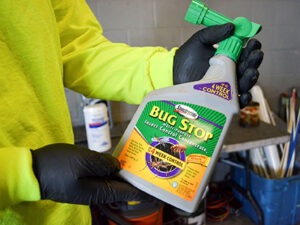 Stop using synthetic pesticides and herbicides
Eliminating chemical controls is the most important step. Insects and weeds may increase at first, but this allows beneficial organisms to re-establish.
- Hand-weed or spot-weed problem areas
- Accept minor cosmetic damage on plants
- Use physical barriers like row cover where needed
- Begin feeding the soil, not the plants
Replace synthetic fertilizers with slow, organic inputs:
- Compost (home-made or municipal)
- Leaf mold
- Well-aged manure (where appropriate)
Apply lightly and regularly rather than heavily all at once. Having said that, see note below for additional information.
Note: Compost and manure are valuable organic amendments because they contain nitrogen, an essential nutrient plants rely on during their vegetative growth phase when they are producing leaves and stems. However, timing and quantity matter. If crops such as tomatoes and potatoes receive excess nitrogen later in the season during their reproductive phase, plants often respond by producing lush foliage instead of directing energy into fruit or tuber production. The result is large, leafy plants but reduced yields of tomatoes or potatoes. When applying compost or manure, it’s best to incorporate it early in the season or during bed preparation so nutrients support early growth without overstimulating plants during flowering and fruiting.
- Observe your garden carefully
Spend time noticing:
- Where water pools or drains quickly
- Which plants struggle and which thrive
- When pests appear and what else is present
These observations guide better decisions in later years.
What to Expect
- Uneven plant growth
- More visible insect activity
- Gradual improvement in soil texture
This year is about resetting the system, not maximizing yields.
Year 2: Building Biology and Strengthening Plant Health
Primary goal: Increase soil life and improve natural resilience.
By the second year, soil organisms begin responding to consistent organic inputs. Gardeners often notice fewer extreme problems — though balance is still forming.
What to Do
- Increase organic matter inputs
Continue adding compost and organic mulch:
- Mulch beds to conserve moisture and suppress weeds
- Leave plant roots in the ground at season’s end to feed soil life
Organic matter fuels microbial activity essential for nutrient cycling.
-
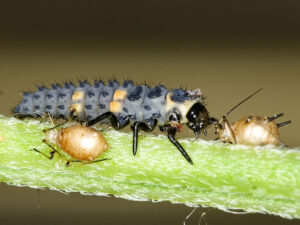 Support beneficial insects
Encourage natural pest control by:
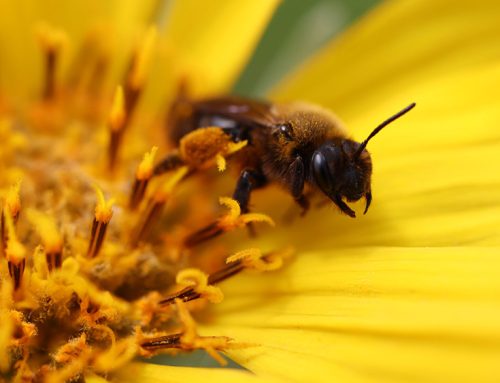
- Planting flowers such as alyssum, calendula, and yarrow
- Leaving some undisturbed areas for overwintering insects
- Avoiding even “organic” sprays unless absolutely necessary
- Improve watering practices
Water deeply and less frequently to encourage deep roots. Organic soils will begin holding moisture more effectively, especially important during Edmonton’s dry summer periods.
What to Expect
- More consistent plant growth
- Powdery Mildew will disappear
- Improved moisture retention
- Reduced pest outbreaks compared to Year 1
At this stage, gardens begin to feel more stable and forgiving.
Year 3: Balance, Biodiversity, and Self-Sustaining Systems
Primary goal: Let natural systems do most of the work.
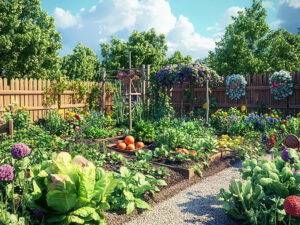 By the third year, organic gardens often reach a tipping point where soil, plants, insects, and gardeners are working together rather than in conflict.
What to Do
- Refine rather than replace
Adjust organic inputs based on need:
- Add compost where productivity is declining
- Use targeted organic amendments if deficiencies appear
- Avoid unnecessary interventions
- Embrace biodiversity
A diverse garden is a resilient garden:
- Mix ornamentals, herbs, vegetables, and natives
- Rotate crops to prevent disease buildup
- Allow some plants to self-seed
- It may sound counterintuitive, but a completely pest-free garden is neither realistic nor desirable. Aphids, while often viewed as a nuisance, are an important food source for beneficial insects that keep pest populations balanced. Predators and parasitoids such as lacewings, lady beetles, and tiny parasitic wasps rely on aphids to survive and reproduce.
- Share surplus and knowledge
Healthy organic gardens often produce abundantly. Sharing harvests, seeds, or experience strengthens community resilience and spreads organic practices organically.
What to Expect
- Improved yields and flavour
- Fewer pest and disease issues
- Soil that is darker, looser, and easier to work
By Year 3, many gardeners find their garden needs less effort than before — a hallmark of successful organic systems.
Why a Gradual Transition Matters
From an environmental health and safety standpoint, a phased transition:
- Reduces chemical exposure immediately
- Prevents soil shock and nutrient imbalances
- Encourages long-term sustainability rather than short-term fixes
Organic gardening rewards patience. Each year builds upon the last, creating a safer, healthier, and more resilient garden suited to Edmonton’s climate and communities.
Grow slow, grow strong, grow organic. Happy gardening everyone!
Additional Materials
Transitioning to Organic: 3-Year Edmonton Garden Plan One Page Print-out
Learn from the Experts: Organic Master Gardener Program
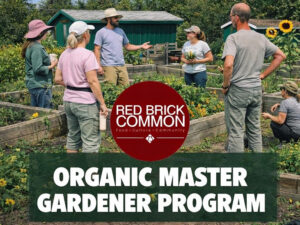 Edmonton-area gardeners are fortunate to have a comprehensive organic training program right on our doorstep. The Red Brick Common offers the Organic Master Gardener (OMG) Certificate Program, designed specifically for Alberta’s climate and growing conditions.
This program provides in-depth education on:
- Soil biology and regenerative soil building
- Ecological pest and weed management
- Water-wise gardening for northern climates
- Sustainable, long-term garden design
For gardeners transitioning to organic methods, this structured, science-based training can dramatically shorten the learning curve and build confidence in creating resilient, chemical-free gardens.
Learn more here: https://redbrickcommon.ca/omg/