

Down to Earth: Peat Moss Use in Northern Gardens
by Brett Kerley
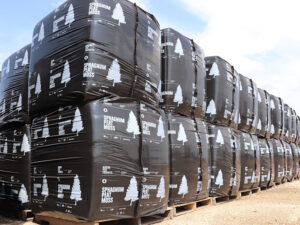 As an Edmonton gardener, I’ve experimented with countless soil mixes, composts, and additives. Yet one material keeps showing up in the most effective blends: sphagnum peat moss. It’s in seed-starting trays, hanging baskets, vegetable beds, and greenhouse containers across our city. At the same time, peat has come under increasing scrutiny in the gardening world, both for environmental reasons, and because growers are exploring alternative substrates like coir and wood fibre.
So where does that leave us? After digging into many studies and reports, I think it’s time to take a closer look—contextualized for our region, growing conditions, and sustainability landscape.
What Is Peat Moss, and Why Do We Use It?
Peat moss is the partially decomposed remains of sphagnum moss, formed over centuries in wetland bogs. It’s incredibly lightweight, absorbent, and naturally low in nutrients—making it ideal for blending into potting mixes where we want good drainage, moisture retention, and root health.
For Edmonton’s short growing season and variable climate, peat offers three major benefits:
Water Management
Our summers may be short, but they can swing from soggy to bone dry quickly. Peat holds up to 20 times its weight in water, helping to maintain even moisture for tender seedlings, hanging baskets, and raised beds.
Soil Conditioning
Our native soils—often clay-heavy or sandy—benefit from peat’s fibrous structure. It improves aeration, prevents compaction, and helps anchor nutrients for plant roots. Mixed into garden beds, it can create a loamier, more workable soil.
Disease Suppression
Unlike field soil or municipal compost, peat is naturally sterile. That means fewer issues with root rot, damping off, or fungus gnats during germination—critical when starting seeds indoors during our long winters.
How Edmonton Gardeners Use Peat Moss
Across EHS programs and community plots, we see peat used in multiple ways. Here’s how I recommend using it, based on both local experience and industry best practices:
- Seed Starting – Use a sterile peat-based seed-starting mix. These usually include a bit of lime to neutralize peat’s natural acidity, bringing the pH closer to the sweet spot of 5.5–6.2. If blending your own, add dolomitic lime and give it at least 2–3 weeks to stabilize.
- Potting Mixes & Containers – Peat makes an excellent base for pots. Combine with perlite, compost, or coconut coir for added drainage and structure. Containers in full sun—especially tomatoes or peppers—benefit from peat’s ability to hold water while allowing excess to drain.
- Amending Heavy Garden Soil – If your beds are too compacted or poorly draining, dig in 1–3 inches of peat moss and mix to a depth of 6–12 inches. This helps break up clay, improves aeration, and supports microbial activity when compost or manure is also added. When I moved into an older house, I was hoping for years worth of nice garden soil but instead it was so compacted and I struggled to dig into it even when I rented a skid steer to help. But over the last couple of years I’ve added many yards of compost and mixed in peat moss to help with bringing some life back into my yard.
- Rejuvenating Old Mix – If you’re reusing potting mix from last year, test and monitor the pH over a few days. Peat can degrade over time and become too acidic. Re-liming and re-fertilizing may be needed to bring the mix back to a balanced, plant-friendly state.
Peat in the Big Picture: Environmental Concerns & Local Realities
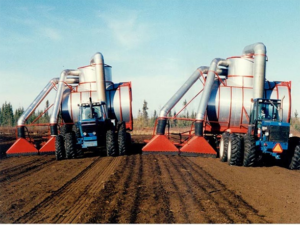 The biggest questions I hear are: Is peat sustainable? Should we be using it at all?
That’s fair. Peatlands store vast amounts of carbon and are slow to regenerate naturally. But it’s also important to understand how peat is harvested—and restored in Canada, especially in Alberta.
Responsible Harvesting in Alberta
Most of the peat we use here in Edmonton is harvested within our own province, often from northern regions like Wandering River, Athabasca, and Seba Beach/Wabamun areas. Alberta introduced its Peatland Management Framework in 2017, which requires:
- Environmental impact assessments
- Full project reviews under the Water Act
- Reclamation plans before harvesting even begins
- Restoration using moss-layer transfer—a science-based method to regrow native peatland vegetation
This approach ensures that harvested bogs are returned to functioning ecosystems within 10–20 years—much faster than the centuries it takes in the wild. And industry watchdogs monitor the process closely.
The Numbers
According to the Canadian Sphagnum Peat Moss Association, only 0.03% of Canada’s total peatland area is actively harvested—about 43,500 acres out of nearly 294 million. Compare that to other land uses like agriculture or oil & gas, and peat’s footprint is minimal.
When you choose Alberta-harvested peat from a company like Hydrofarm & Premier Tech, you’re supporting a regulated, science-driven supply chain—far more sustainable than many imported materials. Hydrofarms Aurora Peat is based right here in Edmonton.
Peat Alternatives: Some Trade-offs
There’s growing interest in peat alternatives, and rightly so. Some of the common ones include:
| Material | Pros | Cons |
|---|---|---|
| Coconut Coir | Renewable, good water holding | Imported, expensive (price up 60–70% since 2020) |
| Compost | Nutrient rich, local | Highly variable quality, potential weed seeds |
| Wood Fibre & Bark | Lightweight, adds porosity | Low water retention, may break down too quickly |
| Perlite/Vermiculite | Excellent aeration | Mined resources, no organic matter |
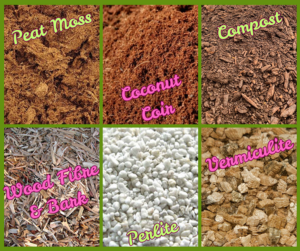 In my experience, most of these materials complement peat rather than fully replace it. Coir works well in containers, compost boosts nutrients, and bark adds texture. However, none offer the full package of water retention, pH neutrality, and sterility that peat does.
My Recommendations for EHS Gardeners
- Use peat-based mixes wisely: Especially in seed trays, pots, or where moisture management is critical.
- Balance your mix: Blend peat with compost, lime, or perlite for best results.
- Shop local: Look for Alberta-harvested peat with restoration commitments. Ask at your local store whether or not it is sourced locally, if they don’t know, ask them to find out. When I used to help run a greenhouse, I would have my staff carry notepads and write down these kinds of questions. This way we could bring up and inform everyone at staff meetings so next time the questions came up, we all knew the answers!
- Stretch it: Mix peat with other organics to make it go further without sacrificing performance. If possible create your own compost bins, throw in your green scraps and when ready mix in with the peat moss, your plants will love it!
- Educate yourself: Not all peat is equal—know your source, and ask about sustainability.
Final Thoughts
Peat moss remains a powerful ally in our Edmonton gardening toolkit. It’s not perfect, but when sourced responsibly and used correctly, it supports vibrant, productive gardens, especially in our Zone 3/4 conditions.
At the Edmonton Horticultural Society, we’re always exploring more sustainable practices, but we also believe in science, stewardship, and balance. If you’ve found a mix that works for you or want to share your peat-free experiments, I’d love to hear about it.
Let’s keep learning, growing, and making this city greener together.
Don’t moss around—grow smart, Edmonton!