

A Guide to Pet-Safe Houseplants: Chew Wisely
by Brett Kerley
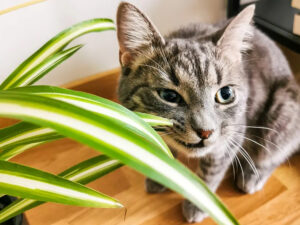 Bringing greenery into your home should enhance your space, not put your furry family members at risk. Many houseplants are beloved for their beauty and air-purifying qualities, but not all are safe around curious pets. Cats and dogs explore the world with their mouths, and even a single bite of a toxic plant can lead to illness. Thankfully, many popular houseplants are pet-safe when chosen carefully and placed where animals can’t reach them.
Why Plant Safety Matters
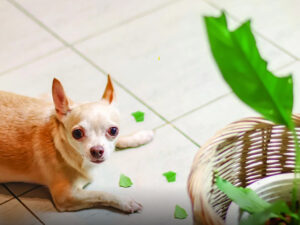 Plants can affect pets in different ways. Non-toxic plants are generally safe, though chewing may still cause mild gastrointestinal upset (nibbling grass or leaves can still upset a pet’s stomach). Toxic plants contain compounds (e.g., calcium oxalates, alkaloids, cardiac glycosides) that can cause drooling, vomiting, diarrhea, swelling, breathing difficulty, organ damage, or worse, if ingested.
Even safe plants can cause irritation if chewed, so placement and supervision matter.
If Your Pet is in Distress
- Remove: Get your pet away from the substance.
- Call: Contact your regular vet or an emergency vet clinic.
- Information: Be ready to tell them what was ingested, how much, when, and what symptoms your pet has.
- Do NOT induce vomiting, unless specifically instructed by a professional.
For animal poison help in Edmonton, contact Health Link at 811 or the Poison & Drug Information Service (PADIS) at 1-800-332-1414 (toll-free).
Most Common Pet-Safe Houseplants
These common houseplants are generally considered non-toxic to cats and dogs, meaning they won’t cause serious toxicity even if nibbled.
Classic & Easy Care
- Spider Plant (Chlorophytum comosum) – Hardy, attractive arching leaves. It is safe and tolerates a variety of light conditions.
- Orchid (Phalaenopsis and others) – Elegant blooms and non-toxic, though potting media can sometimes upset tummies if eaten.
- Prayer Plant & Calathea – Colorful patterned foliage. It thrives in humidity and is safe for pets.
Structural & Statement Plants
- Parlor Palm & Bamboo Palm – Classic palms with tropical flair, these are safe alternatives to more toxic palm relatives.
- Boston Fern (Nephrolepis exaltata) – Flourishing fronds that look great in hanging baskets. They’re safe for cats and dogs.
- Swedish Ivy (Plectranthus verticillatus) – A trailing favorite, safe for pets while adding lush greenery.
Succulent & Compact Choices
- Zebra Plant (Haworthia attenuata) and Echeveria – Small succulents perfect for shelves or window sills; low maintenance and safe.
- Polka Dot Plant & Peperomia – Colorful foliage and compact growth; pet-friendly alternatives.
- African Violet (Saintpaulia) – Blooming indoor plant that’s attractive and safe for pets.
Toxic/Unsafe House Plants
These common houseplants are known to be toxic to cats or dogs and should be kept out of reach or avoided in pet households:
Highly Toxic
- Sago Palm (Cycas revoluta) – Extremely toxic; can cause liver failure and death in pets.
- Lilies (various Lilium spp.) – Especially dangerous to cats,. Even small amounts can trigger kidney failure.
Common Indoor Dangers
- Dieffenbachia (Dumb Cane) – Causes intense mouth irritation and swelling.
- Pothos (Epipremnum aureum) – Popular vine; causes oral irritation and vomiting if chewed.
- Snake Plant (Sansevieria) – Attractive, low-light plant but known to cause digestive upset.
- Philodendron & Monstera – Leafy favorites with toxic calcium oxalates; can cause mouth and throat irritation.
- Peace Lily, Aloe Vera, Yucca, Ficus – Widely grown but potentially harmful.
Tips to Keep Your Pets Safe at Home
Even with non-toxic species, consider these precautions: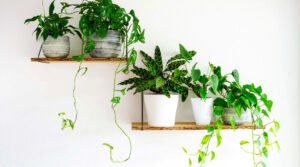
- Placement is key – High shelves or hanging planters help keep plants out of reach of curious pets. But please remember a cat can jump very high from ground level, if you give them objects close by they’ll use that as a platform to jump from. They are the original parkour entertainers.
- Supervise interactions – Some pets chew out of boredom; discouraging this early can protect both pet and plant. Find other pet friendly toys they can chew on!
- Don’t assume “toxic” means lethal – Some plants cause only mild irritation, but repeated ingestion can still be harmful.
- Use barriers – Decorative fencing or plant terrariums can add another layer of protection.
- Know the plant’s full identity
Always check the scientific name on plant tags. Common names can be misleading — for example, “palm” can refer to both pet-safe palms and highly toxic plants like sago palm. - Watch soil, not just leaves
Fertilizers, systemic pesticides, and even some potting soil additives (like wetting agents or insecticides) can be harmful if pets dig or lick the soil. Use pet-safe products whenever possible and avoid treated plants in pet areas. - Pick up fallen leaves and flowers
Dropped plant parts can be more tempting for pets than intact plants. Regularly clean up fallen leaves, petals, and dried stems — especially from flowering plants. - Offer a safe chewing alternative
Some pets chew plants out of curiosity or to aid digestion. Providing pet grass (such as wheatgrass or oat grass) can redirect this behavior away from houseplants. - Quarantine new plants
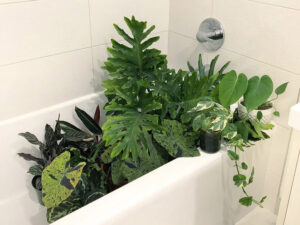
Before placing a new plant into your main living space, keep it in a separate area for a week or two. This helps confirm the plant’s identity, allows you to watch for pest issues, and ensures it’s free of chemical treatments from the nursery. I do this with all my new houseplants. I just throw them in the spare bathtub and hose them down and treat (if needed) every few days. - Don’t forget hanging hazards
Trailing plants in hanging baskets may still be reachable by climbing cats or jumping dogs. Make sure hooks are secure and cords or chains aren’t chewable. - Label plants at home
Keeping small labels or a simple plant list can help in an emergency. If a pet does nibble something questionable, knowing the exact plant name saves valuable time when contacting a veterinarian or poison control. You may know what the plant is but do your family members know? - When in doubt, go plant-free in key areas
Bedrooms, feeding areas, and litter box spaces are best kept plant-free to reduce temptation and accidental exposure.
Final Thoughts
Houseplants can make your home more beautiful and welcoming to pets — with the right choices. While many plants are safe, some popular indoor species carry hidden risks. Choosing non-toxic varieties, placing plants wisely, and watching your pets’ behavior can help ensure a greener — and safer — home for everyone.
Don’t let curiosity kill the cactus… Happy gardening everyone!