

Perlite and Vermiculite: Choosing the Right Soil Amendment
by Brett Kerley
Gardeners in the Edmonton region face challenges: heavy clay soils, short growing seasons, rapid spring snowmelt, summer dry spells, and repeated freeze–thaw cycles. Two commonly used soil amendments, perlite and vermiculite, can play a valuable role in improving soil structure, but understanding what they are, where they come from, how to use them safely, and when alternatives may be better is essential for long-term soil health.
What Are Perlite and Vermiculite
Perlite
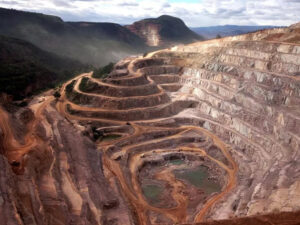
Perlite is a natural volcanic glass mined from deposits around the world. Perlite is mined using open-pit methods. Volcanic glass deposits near the surface are excavated using blasting or heavy machinery (such as bulldozers) for ripping. The raw ore is broken, crushed, and screened at the site to remove impurities before being transported for further processing. When processed under very high heat, its internal water rapidly vaporizes, causing dramatic expansion into lightweight, porous granules. Expanded perlite is a natural, inert insulation material used across industries, including agriculture.
Vermiculite
Vermiculite is a hydrous laminated silicate in the mica family. When heated, it exfoliates, expanding up to 12 times into light, porous flakes with many layers of trapped air and liquid‑holding space.
Expanded vermiculite is non‑combustible, insoluble in water, and has both thermal insulation and moisture adsorption properties.
Both expanded perlite and vermiculite are sterile, chemically neutral, and pH‑balanced, which is why they are widely used not just in agriculture but in construction, cryogenics, and industrial insulation.
Sources and Manufacturing
- Mining: Both minerals are extracted in open‑pit mines where the raw ore is first cleaned and screened.
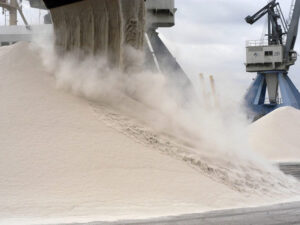
- Thermal Treatment: The raw material then undergoes controlled heat expansion, creating lightweight particles used in horticulture and industry.
- Global Production: Major manufacturing hubs exist in the Mediterranean, Asia, and North America, with companies processing these minerals for diverse applications.
- Quality Focus: Modern facilities use quality control systems to ensure consistency and environmental responsibility in production.
Environmental Note: While the minerals are natural, both perlite and vermiculite are non‑renewable and require significant thermal energy to expand, contributing to their environmental footprint.
Physical Properties That Matter in Edmonton Soils
Edmonton’s soils often present heavy clay texture, slow drainage, and compaction. Perlite and vermiculite modify soil structure in different ways, which make each material suited to specific horticultural roles.
| Property | Perlite | Vermiculite |
|---|---|---|
| Structure | Porous, airy | Layered, moisture-holding |
| Water Retention | Low-moderate | High |
| Drainage | Excellent | Moderate |
| Freeze-Thaw Resilience | Good | Good |
| Inert & Sterile | Yes | Yes |
Best Horticultural Uses
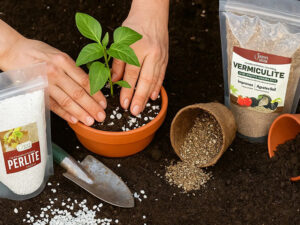
Adding perlite and vermiculite to potting mix
Perlite
Use perlite for:
- Improving drainage and aeration in heavy clay soils and raised beds.
- Containers and seed‑starting mixes for crops that do not tolerate waterlogging.
- Succulents and drought‑tolerant plants that need oxygen‑rich media.
Perlite enhances air space, helping root development in compacted soils.
Vermiculite
Use vermiculite for:
- Moisture regulation—it acts as a reservoir to slowly release water.
- Seed trays and cuttings, particularly where consistent moisture promotes germination and rooting.
- Mixing with organic substrates to improve aeration while holding water.
Its layered, sponge‑like structure makes vermiculite ideal for mixtures that must stay evenly moist but not waterlogged.
When NOT To Use Them
Avoid Perlite When:
- Moisture retention is critical (e.g., bog plants, moisture‑loving perennials).
- You are working indoors without pre‑wetting—dry perlite dust can be an irritant.
Avoid Vermiculite When:
- Drainage is a priority (e.g., cacti, alpine plants, drought‑tolerant herbs).
- Working with heavy clay outdoors where too much water retention worsens root rot.
Environmental Risks
Both amendments release fine dust when dry. While the silica in perlite is generally non‑toxic in gardening contexts, frequent inhalation of any dust is not ideal. Best practices include:
- Pre‑wetting before use to suppress dust.
- Wearing a dust mask or N95 respirator and eye protection.
- Working outdoors or in well‑ventilated spaces.
For vermiculite, modern horticultural products are tested and asbestos‑free, but dust control remains a prudent safety measure.
Practical Alternatives
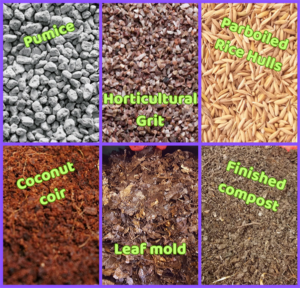
Alternatives to perlite and vermiculite
Given the environmental footprint of mined minerals, consider these alternatives where appropriate:
Drainage & Aeration Substitutes (Instead of Perlite)
- Pumice: More stable and less dusty; ideal in containers and long‑term beds.
- Crushed gravel or horticultural grit: Excellent drainage and locally available.
- Parboiled rice hulls: Renewable, lighter, and breaks down to add organic matter.
Moisture & Soil Balance (Instead of Vermiculite)
- Coconut coir: Holds water well without becoming soggy; peat‑free.
- Leaf mold: Excellent moisture retention and improves soil biology.
- Finished compost: Increases water holding capacity, nutrients, and soil structure.
These organic options often fit Edmonton practices well and reduce reliance on non‑renewable media.
Summary and Final Thoughts
- Perlite is best for aeration and drainage in clay soils.
- Vermiculite excels at moisture retention and seedling work.
- Both are inert, expanded minerals manufactured under quality production systems like those at Perlindustria.
- Safety: minimize dust exposure and recognize environmental costs.
- Alternatives like pumice, coir, and compost can offer sustainable performance in many local garden contexts.
Understanding the manufacturing origins and physical behaviors of perlite and vermiculite helps Edmonton gardeners build better, safer, and more sustainable soils. Whether improving clay beds, filling containers, or launching a new seedling season, informed amendment choices make all the difference.
Stay porous, stay moist, and may all your mixes be just right!