
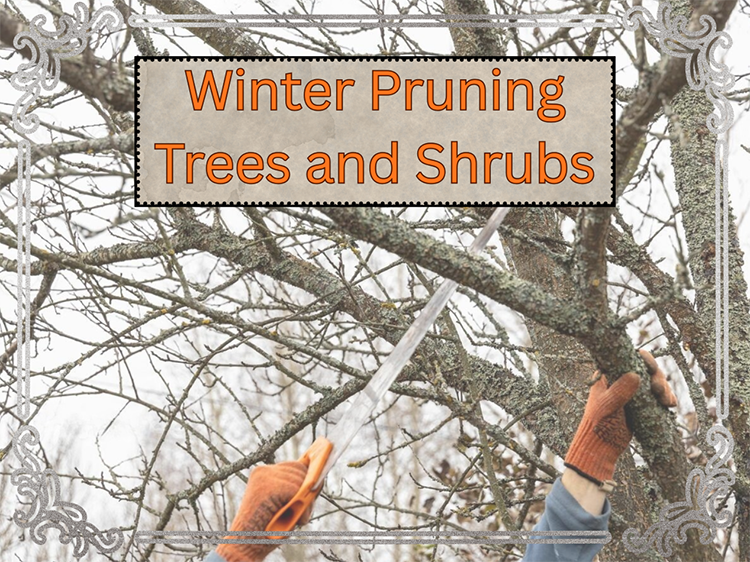
Winter Pruning Trees and Shrubs
by Brett Kerley
Winter pruning is one of the most valuable seasonal tasks for Alberta gardeners. However, not all trees and shrubs should be pruned in winter. Knowing the difference can mean the success or failure of your spring bloom and long-term plant health.
This EHS article guides you through which trees and shrubs to prune in winter, which to avoid touching until later, and the horticultural reasons behind those decisions. All advice I’ve given is tailored to Edmonton and central Alberta’s Zone 3–4 climate.
Why Winter Pruning?
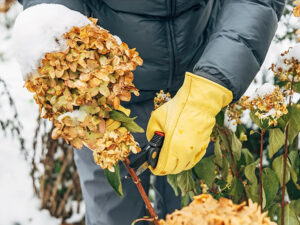 1. Plants Are Dormant
Dormancy means reduced sap flow and no active growth. Cuts are less stressful and wounds begin healing as soon as temperatures warm in spring.
2. Easy to See Structure
With leaves gone, you get a clear view of crossing branches, storm damage, weak crotches, and areas needing thinning.
3. Lower Disease Risk
Fungi, bacteria, and pests are inactive in cold weather. This is especially important for apple, cherry, and cotoneaster, which can spread diseases more easily during warm-season pruning.
4. Improved Safety
Frozen ground provides stable footing, and visibility is better without foliage.
Trees and Shrubs You SHOULD Prune In Winter
Below are plants that benefit from mid-winter to late-winter pruning (January–March in Edmonton), when severe cold snaps have mostly passed but before spring sap rises.
Fruit Trees (Hardy Prairie Varieties)
Examples: Apple, crabapple, plum, cherry, pear (hardy U of S or prairie types)
Why prune in winter?
- Reduces spread of fire blight and other bacterial diseases.
- Promotes strong structure, especially important for apples which tend to produce narrow, weak crotches.
- Encourages better fruiting wood.
What to prune:
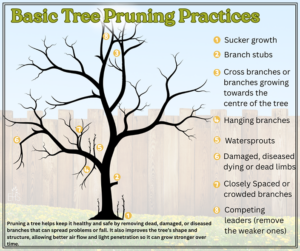
- Crossing, rubbing, or inward-growing branches
- Water sprouts and suckers
- Dead, diseased, or damaged wood
- Thin canopy to improve air flow
Shade Trees
Examples: Elm*, ash, maple, oak, poplar, aspen, birch (with caution), linden, mountain ash, hackberry
Why prune in winter?
- Structure is visible and cuts heal quickly in spring
- Reduced sap bleed on maples and birches
- Minimal pest activity
*Special note for Elm:
Alberta’s elm pruning ban runs April 1–September 30. Winter is the ONLY legal time to prune elm in Alberta to prevent Dutch elm beetle spread. We’ve had several cases over the last couple of years so please make sure it is between these dates. See the City of Edmonton website for more details on Dutch Elm Disease (DED)
Deciduous Shrubs That Bloom on New Wood
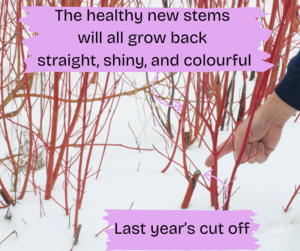 These shrubs form flower buds on the current season’s growth, so winter pruning encourages vigorous new shoots and better summer flowering.
Examples:
- Potentilla
- Spirea (japonica types)
- Smooth hydrangea (Hydrangea arborescens, e.g., ‘Annabelle’)
- Peegee/panicle hydrangea (Hydrangea paniculata)
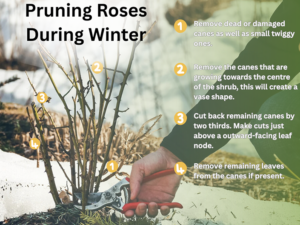
- Rugosa roses
- Dogwood (red osier) — prune to rejuvenate red stems
- Willow shrubs
- Ninebark (controlled thinning)
 Why prune in winter?
- Encourages strong, colourful growth
- Reduces winter dieback stress
- Maintains shape before spring flushing
Evergreens—Selective Only
Most evergreen pruning is light, but winter is safe for shaping.
Examples:
- Pine (structural only—avoid removing too much)
- Spruce (remove damaged or unsafe limbs)
- Cedar/juniper (light shaping only)
Trees and Shrubs You Should NOT Prune in Winter
Some plants form flower buds on last year’s wood, meaning winter pruning removes spring blooms. Others have high sap flow or are prone to winter injury after pruning.
Spring-Blooming Shrubs (Bloom on Old Wood)
These plants should be pruned after flowering, not during winter.
- Lilac
- Forsythia
- Nanking cherry
- Double flowering plum
- Mock orange
- Weigela
- Viburnum (most varieties)
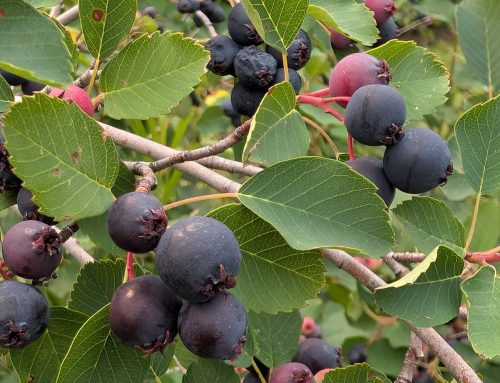
- Saskatoon/Serviceberry (Amelanchier)
Why not winter prune?
- Cuts remove the flower buds already formed last summer
- Delayed healing in early spring freeze/thaw cycles
- Drying winds can stress freshly cut wood
Hydrangeas That Bloom on Old Wood
Examples:
- Bigleaf hydrangea (Hydrangea macrophylla) – marginal in Alberta
- Oakleaf hydrangea (Hydrangea quercifolia) – also marginal
Winter pruning = no blooms.
Birch and Maple (Heavy Bleeders)
Although structural winter pruning is technically okay, these trees often bleed excessively at thaw, which can stress the tree. It’s better to prune these in late summer or early fall. In Edmonton, you can still prune in winter if required—but avoid big cuts.
Evergreen Shrubs (Major Cuts)
Examples:
- Cedar
- Juniper
- Yew
Avoid major pruning in winter because they do not produce new buds on old wood. Cutting too far back will leave permanent bare patches.
How to Prune in Winter (EHS Best Practices)
 1. Wait for a Warm Spell: Prune when temperatures are above –15°C to reduce bark cracking.
2. Make Clean, Angled Cuts: Use sharp tools and make cuts just outside the branch collar.
3. Follow the 3-Cut Method for Large Limbs: Prevents tearing bark and trunk damage.
4. Remove:
- Dead
- Diseased
- Damaged
- Dying
These “4 D’s” can be pruned anytime, including deep winter.
5. Step Back Frequently: Without leaves, it’s easy to over-thin. Assess shape often. Just like having your hair cut, the hairdresser stands back to make sure everything is even!
Common Alberta-Specific Pruning Mistakes
Cutting Back Shrubs to the Ground Every Winter
- Especially potentilla or spirea — they become woody, weak, and unattractive.
Topping Shade Trees
- Weakens structure and creates hazardous regrowth.
Pruning Evergreens Too Hard
- They rarely fill back in.
Removing the Central Leader on Spruce or Pine
- This permanently deforms the tree.
Late Fall Pruning
- Stimulates new growth that winter kills.
A Winter Pruning Calendar for Alberta (Zones 3–4)
| Month | Notes |
|---|---|
| December/January | Avoid major pruning—extreme cold = brittle branches |
| February | Best time for shade trees, fruit trees, dogwood, willow, roses. |
| March | Finish fruit trees, prune new-wood shrubs, thin ninebark, shape evergreens. |
| April | Elm pruning ban begins. |
Conclusion
Winter pruning in Alberta is not only safe—it’s one of the best ways to encourage healthier, stronger, more beautiful trees and shrubs. By understanding which plants benefit from winter pruning and which should be left untouched until later, gardeners can improve structure, enhance blooms, and reduce disease risk in their landscape.
May your winter be calm and your branches be balanced. Happy winter gardening everyone!