
The Hidden World of Thrips
by Brett Kerley
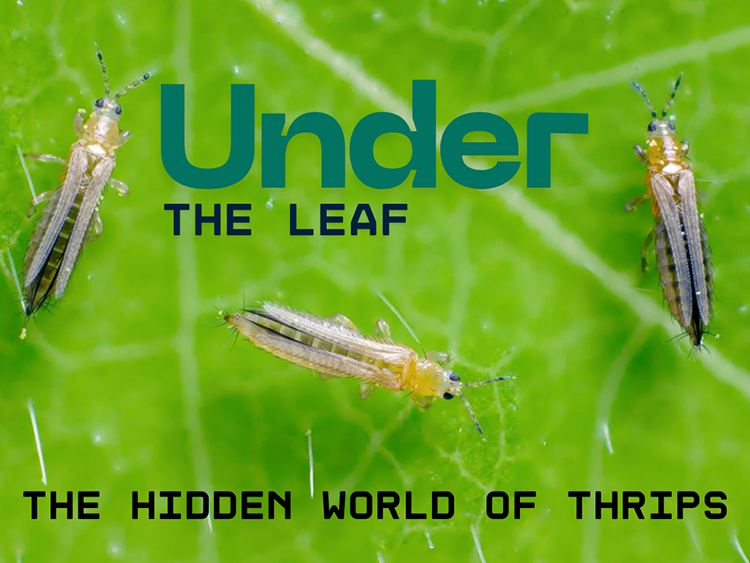
Thrips are among the stealthier enemies a houseplant keeper can face. Tiny, often overlooked, yet capable of serious damage, they exploit the ecological vulnerabilities of indoor environments.
What Are Thrips?
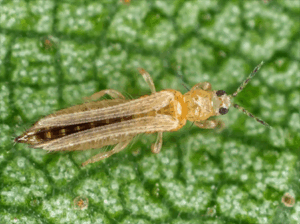 Thrips belong to the insect order Thysanoptera, comprising over 7,700 known species worldwide. Many thrips feed on fungi or decaying plant matter, but a subset are phytophagous (plant-feeding) and pose real risks to cultivated plants.
Key characteristics
- Size & form: Thrips are minute — often just a couple of millimetres long. Their bodies are narrow and elongated, which helps them slip into tight crevices, such as the undersides of leaves, leaf joints, and along petioles.
- Reproduction: One troublesome trait is their capacity for asexual reproduction (parthenogenesis) in many species; a single female can found an infestation.
- Life cycle speed: A full life cycle may complete in a little over a month. Some species begin reproducing as early as eight days after emerging, enabling rapid population growth.
- Vectors of disease: Beyond feeding damage, thrips are also known to carry plant viruses and disease agents from plant to plant.
Because of their small size and cryptic habits, they can remain undetected until the infestation is well established.
How To Know If You Have Thrips
 Early detection is critical. Below are the signs and symptoms to watch for, especially in indoor-grown plants in Alberta’s dry winter air or in closed greenhouse settings.
Visible symptoms and indicators
- Silvery or discoloured patches
Feeding thrips puncture plant cells and suck out the contents, leaving a pale, silvery or bronze hue on the leaf surface. Over time, these patches can spread and coalesce. - Deformed new growth
Because thrips interfere with the plant’s allocation of sugars and nutrients, new leaves may emerge twisted, gnarled, or undersized. - “Thrip dirt” — tiny black specks
You may see pepper-like black droppings on leaf surfaces, particularly on the underside. These are a useful diagnostic clue and are often found adjacent to silvery damaged spots. - Seeing the insects themselves
- Females tend to be pale/whitish and slow-moving, staying in place to feed.
- Males are darker (brown to black), more mobile, and winged — they can fly to new leaves or plants.
Because thrips can infest leaves, stems, soil, and even the air, it’s best to use a multi-angle inspection approach.
How To Get Rid of Thrips
No single method is guaranteed to eliminate thrips entirely. The most effective results come from combining several approaches, addressing all life stages (eggs, larvae, adults) and all parts of the plant (foliage, stem, soil).
Below are proven strategies, with considerations for indoor growers in colder climates like Edmonton.
1. Mechanical & passive removal
- Sticky traps
Use blue or yellow sticky cards placed near plants. Since adult thrips sometimes leave plants to colonize new growth, such traps can intercept their movement. - Water spray / showering
A strong jet of water from a spray bottle can dislodge thrips from leaves. For hardy houseplants, you might bring them to a bathtub or shower for a thorough rinse. - Wiping
Use a damp cloth or soft sponge to wipe leaves, stems, and nodes, removing thrips and eggs physically. This is particularly useful for smaller plants or delicate foliage. - Pruning & disposal
If only certain leaves or parts are heavily infested, remove and discard them (ideally sealed in plastic). In extreme cases, disposal of the entire plant may be preferable to protect surrounding plants.
2. Chemical / botanical sprays
- Alcohol (isopropyl 70%)
Mixed with water, this can dissolve the thrip’s exoskeleton. However, care must be taken to avoid leaf burn or phytotoxicity — test on a small area first. Reapplication every few days is recommended to catch new hatches. - Insecticidal soap
These products (soft pesticides) can target thrips when fully exposed. Ensure thorough coverage—undersides, stems, soil surface. - Horticultural oils / neem oil
Oils can smother thrips and their eggs. Neem is a popular choice: mix with water and spray the foliage (and optionally the soil) regularly until no further signs emerge.
3. Repotting / soil treatment
If thrips or larvae are present in the soil:
- Change the growing medium
Gently remove roots, wash them, and replant in fresh, sterile soil. - Soil drenches
Apply a diluted insecticidal solution to the soil, ensuring the root zone is treated. - Quarantine
Isolate the plant from others until you’re confident the infestation is eliminated.
4. Biological (natural predators)
In greenhouse or semi-controlled environments, natural predators can be introduced:
- Rove beetles (Dalotia coriaria)
- Minute pirate bugs (Orius spp.)
- Predatory mites (Amblyseius spp.)
These predators feed on thrips and their eggs without harming plants. Indoors, care is needed in maintaining their populations (humidity, food sources), so this option is more feasible for serious growers or controlled environments.
Special Considerations for Edmonton / Cold-Climate Indoor Growing
Growing tropical and subtropical houseplants indoors in Edmonton often involves dry winter air, lower humidity, and limited natural ventilation, so the following factors become more significant in thrips management:
- Humidity stresses: Thrips sometimes favor drier leaves, so overly dry air may exacerbate their establishment. Maintain moderate humidity (e.g. via humidifiers or pebble trays) to help the plants be more vigorous and less stressed, improving their natural resilience.
- Light and temperature: Weak lighting or stress from seasonal changes can make plants more susceptible. Thrips populations may also slow in cooler intervals (though many species tolerate indoor temperatures well).
- Quarantine new plants: Before introducing any new plant to your indoor collection, isolate it and inspect for pests over several days. I would use the bathroom. Throw the plants in the bathtub and wash them down with either neem oil or an insecticidal soap. Leave them in there for a week, spraying each day.
- Monitor regularly: Use sticky traps, visual checks, and periodic leaf inspections so that a small infestation doesn’t balloon into a crisis.
A Suggested Protocol for Edmonton Houseplant Enthusiasts
Here’s a recommended workflow or protocol you might adopt:
- Routine inspection & monitoring
Weekly inspections of leaves (especially underside), stems, and soil surfaces. Place at least one blue or yellow sticky card in each plant area. - Early mechanical action
At the first hint of damage (silver patches, black specks), spray or wipe the plant to reduce thrip numbers. - Apply a botanical / soft insecticide
Use insecticidal soap or neem oil sprays in two or three applications spaced a few days apart, ensuring complete coverage. - Repot if needed
If damage or thrip activity seems rooted in the medium, repot into fresh mix and remove old soil carefully. - Use biological controls (if feasible)
In a greenhouse room or controlled space, consider introducing predators. Keep conditions favorable for the predator species. - Ongoing vigilance
Continue traps and inspections for at least a week after no visible signs appear before considering the plant “safe.”
Conclusion
Thrips may be small, but they can wreak disproportionate havoc on houseplants. Their speed, capacity for asexual reproduction, and cryptic lifestyles make them formidable pests. Yet a careful, integrated approach, combining visual inspection, mechanical removal, botanical treatments, and, where possible, biological controls, Edmonton’s indoor gardeners can manage and often eliminate thrips infestations before irreversible damage occurs.
Keep nurturing, keep noticing — and never underestimate a tiny thrip!