
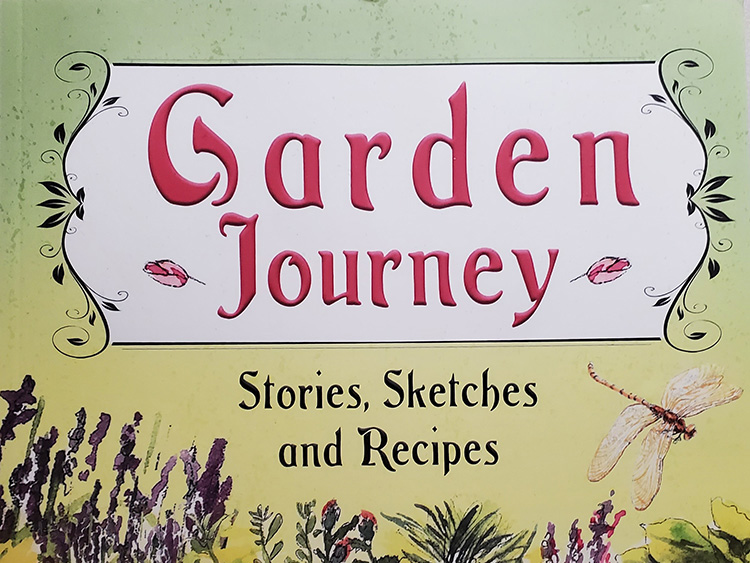
Book Review: Garden Journey: Stories, Sketches and Recipes
Reviewed by Brett Kerley
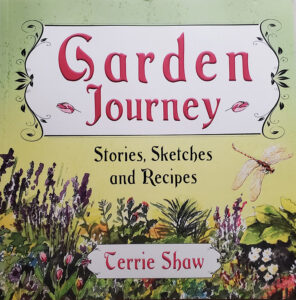 Shaw, Terrie. Garden Journey: Stories, Sketches and Recipes. Wild Skies Press, 2025 Pages: 210 ISBN: 978‑1‑0693754‑7‑6 (paperback)
This book is a hybrid: part art sketchbook, part garden‑journal, part recipe collection. According to the publisher’s description, “In this beautifully illustrated book, Terrie Shaw invites you on a stroll through her garden, offering an intimate look at her creative process.” (wildskiespress.com) On her blog she describes it as “four years of my paintings … flowers, gardening, travel, the creation of unique spaces, personal stories, and recipes.” (Terrie Shaw)
Because the Edmonton Horticultural Society (EHS) values both the horticultural/natural‑history side and the community/creative aspect of gardening, this book offers an interesting blend. It’s not a technical manual, but rather a contemplative celebration of gardens, creativity, and the seasonal cycle.
What Works For A Horticultural Heritage Audience
- Seasonal & reflective narrative
One of the strengths of Garden Journey is its pace: Shaw invites the reader into the rhythm of her garden and creative life. The reflections on time, place, memory and the relationship to plants are especially good for gardeners who see their gardens as more than production zones. That aligns well with horticultural heritage interest, where gardening is part of family, place, memory and continuity. - Visual richness
Within the book the description indicates “delicate watercolour sketches, expressive pen‑and‑ink drawings, and heartfelt journal entries” that capture the “ever‑changing beauty of the seasons.” For EHS, which includes many members who sketch, photograph or record their gardens, this visual dimension is a plus. Garden heritage isn’t just about plants, but about documenting and celebrating them. This is something that I personally would like to explore in the near future, learning to sketch and use watercolours. - Garden‑to‑table recipes
Shaw includes garden‑inspired recipes, drawn from her own produce and harvests. This broadens the book’s appeal: the garden’s bounty moves into the kitchen and memory. It ties gardening to lifestyle, culture and food, which many horticultural societies are keen to explore (especially in amateur gardening communities). The social and cultural dimension of heritage gardening is strengthened by this. - Personal stories & place
Because Terrie Shaw’s garden is in Sherwood Park, readers in the region may find closer resonance with her climate, seasonal cues, and pace of planting/harvest rhythms. The local connection strengthens the relevance for EHS members. On the Buzzsprout podcast she emphasises that her garden “rooms,” the sketching practice, and the grandchildren’s stories. All feed into how a family garden evolves, connects and generates meaning.
What To Watch For
Non‑technical focus
If you are looking for a technical reference book—detailed plant lists, hard horticultural science, planting calendars, and precise climate‑zone guidance—this is not that book. The emphasis is aesthetic, reflective and lifestyle‑oriented. It’s all about feelings, drawing, and story, not horticultural specs.
Climate/context specificity
While Shaw’s Sherwood Park setting is a strong plus for Edmonton‑area gardeners, other readers should remember that her seasonal firsthand stories may assume a different micro‑climate or soil conditions than a garden farther north or in harsher urban situations. Some recipes and garden‑musings may assume longer seasons or more temperate settings than the more extreme prairie conditions. Thus you’ll want to adapt or interpret.
Scope of gardening content
Since the book blends art, story and cooking, the “gardening” part is not deeply technical. There’s nothing on pest control, soil amendments, plant science, cold‑hardiness specifics, etc. This is fine if your interest is narrative and culture; but if you want rigorous horticultural scholarship, additional sources will be required.
About the Author
 Terrie Shaw is based in Sherwood Park, Alberta, just east of Edmonton, so her gardening experience and locale are closely aligned with the environment many EHS members inhabit.
Her creative background includes a long‑term practice of journaling in words and watercolours: beginning in 2013 with simple sketches. Over the years she has built confidence and depth in her illustration and garden‑journal practice.
Thus, Shaw brings a dual identity: gardener and artist. Her Sherwood Park setting means her seasonal experience is relevant for gardeners in the Edmonton region and across the Canadian prairies. The creative journal/illustration format bridges visual art, horticulture, and domestic culture (through the recipes).
Conclusion
Garden Journey is a very good book for the EHS audience if your interest lies in the “gardening lifestyle” side: art, memory, seasonal experience, home‑grown food. It is not the go‑to book for hardcore horticultural technique in a northern climate—but that’s perfectly fine because different books serve different purposes.
Pick it up, flip through the sketches, see how Terrie Shaw reflects on her garden. Use that as a reminder to include in your own garden record not just “what to do” but what you see, notice, and enjoy.
Terrie kindly donated her book to our EHS lending library for members to borrow, but you can also purchase it from wildskiespress.com, Terrie Shaw, Audreys Books and other local bookstores. It’s also available to borrow from the Edmonton Public Library.